Step-by-Step Guide to Choosing Your First Juicer
Start Right: Choosing Your First Juicer
Picking your first juicer can feel overwhelming, so this guide walks you through types, motor power, yield, noise, cleanup, price, and longevity. You’ll learn to pick a machine that fits your routine, budget, and health goals with confidence and clarity.
What You’ll Need
Editor's Choice
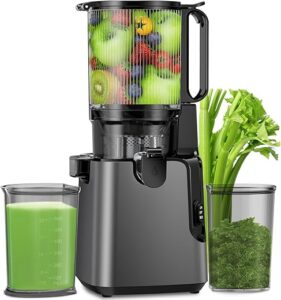
3-in-1 Cold Press Juicer for Large Batches

Best for high-yield, low-oxidation juicing
A versatile 3-in-1 cold press juicer that extracts juice, makes nut milk, and creates sorbet while preserving nutrients. Its 6.5″ wide chute, 100oz capacity, and easy-clean design save prep time and handle large batches quietly.
I may earn a commission at no cost to you.
1
Choose the Right Juicer Type
Masticating, centrifugal, or citrus — which will save your morning? (Spoiler: it depends on what you juice most.)Compare juicer types and what they deliver.
Decide by listing the fruits and vegetables you’ll juice most and how often you’ll use the machine. For example, choose a masticating juicer if you plan daily kale-carrot blends; pick centrifugal for quick weekend apple-orange runs.
Check your counter space, noise tolerance, and available cleaning time. Watch short demos and imagine a typical week of juicing to confirm the type that fits your routine.
Best Value

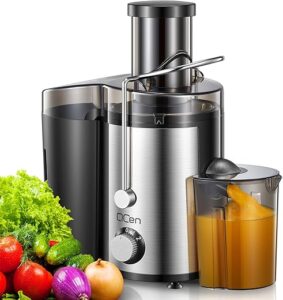
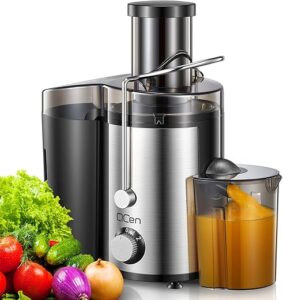
Qcen 800W Centrifugal Juicer with Wide Chute
Best for fast, high-speed juicing
A powerful 800W centrifugal juicer designed for quick extraction with a 3″ wide feed chute to reduce chopping. It offers two-speed control for different produce, safety lock features, and removable parts for easy cleaning.
I may earn a commission at no cost to you.
2
Compare Performance and Yield
Don’t be fooled by watts and flashy specs — what really matters is how much juice and nutrients you get per apple.Evaluate performance metrics: motor power, RPM or gear type, juice yield and pulp dryness. Higher-watt motors and low-speed masticating designs generally extract more liquid and nutrients, especially from leafy greens, while high-RPM centrifugal units sacrifice yield for speed.
Consider these factors when comparing models:
Also plan for replacement parts availability and customer service reputation before buying.
Best Seller
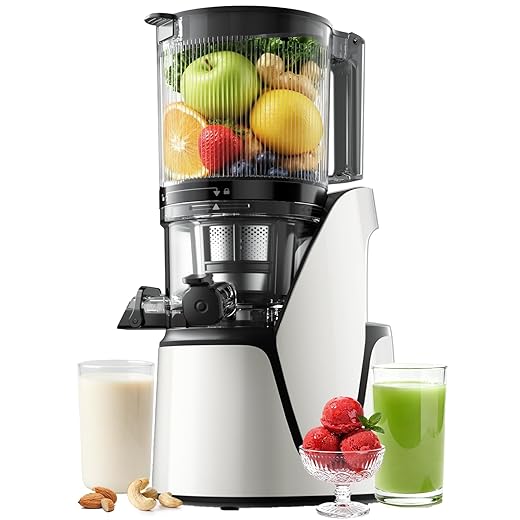
3-in-1 Cold Press Juicer with 6.5" Chute
Best for large-capacity family juicing
A multi-function cold press juicer that makes fresh juice, nut milk, and sorbet with a 6.5″ extra-large chute and 100oz hopper for minimal prep and big batches. The quiet AC motor and dishwasher-safe parts make it practical for daily use.
I may earn a commission at no cost to you.
3
Think About Cleaning, Size, and Daily Use
A spotless juicer equals regular use — would you actually clean it every day? Small annoyances kill habits.Prioritize easy cleaning and fast disassembly so you actually use the juicer. Time how long it takes to break down and rebuild a demo unit; avoid models that need 10+ minutes of scrubbing.
Check for these practical features before buying:
Measure your countertop and cabinet space and visualize leaving the unit out versus storing it. Confirm spare-parts availability, filter replacements, and simple seal replacement. Verify accessory compatibility if you’ll make nut milks or frozen desserts. Look for included conveniences—cleaning brush, juice pitcher, and clear assembly diagrams—and read the warranty fine print.
Must-Have

Magic Bullet Compact Mini Juicer with Tumbler
Best for single-serve and portability
A compact, easy-to-store mini juicer with a 400W motor that juices into a 16-oz tumbler for quick, on-the-go servings. It features a roomy 2-inch chute, dishwasher-safe attachments, and simple operation for convenient daily use.
I may earn a commission at no cost to you.
4
Finalize the Purchase and Protect Your Investment
Ready to buy? Don’t let a bargain price blind you — total cost and returns matter more than the sticker.Finalize your choice by comparing models within your budget and running a short pros-and-cons checklist. Gather trusted reviews, independent lab tests, and user feedback that highlight long-term reliability.
See units in person when possible: test the feed-chute size by passing an apple or whole carrot, listen for noise level during a demo, and watch how quickly pulp clears. Factor the total ownership cost before buying:
Check retailer return policies or trial periods so you can test real-world performance at home. Beware deals that omit essential accessories; a low headline price can be misleading. Consider certified refurbished units from the manufacturer for warranty-backed savings. Create a short shortlist, sleep on it, and pick the model that matches the features you’ll actually use and the durability you need.
Make the Buy and Start Juicing
You’ve narrowed choices, weighed performance, cleaning, space, and cost; use the checklist, test units if possible, choose the juicer that fits your routine, begin with simple recipes, learn consistent cleaning habits, and adjust as you discover what keeps you juicing?
This post contains affiliate links. Purchases may earn me a commission at no extra cost to you.