Step-by-Step Guide to Homemade Detox Juices
Why Make Detox Juices at Home?
Homemade detox juices are fresh blends of fruits and vegetables that support cleansing and hydration. People use them to feel lighter and boost nutrients, and making them at home gives YOU control, richer flavor, and zero hidden sugar or preservatives.
What You’ll Need
Best Value
BLACK+DECKER 32oz Electric Pressure-Activated Citrus Juicer

Adjustable pulp control, dishwasher-safe parts
A compact electric citrus juicer that uses pressure activation to quickly extract juice while letting you adjust pulp level. Durable and easy to clean, its removable parts are dishwasher-safe for simple maintenance.
I may earn a commission at no cost to you.
1
Choose Fresh, High-Impact Ingredients
Which plants pack the biggest punch—and why one green can beat a sugary snack?Select ingredients that contribute detox-supportive nutrients: leafy greens like kale and spinach, cruciferous vegetables such as celery and cucumber, citrus for vitamin C, beets for blood support, and ginger or turmeric for anti-inflammatory effects.
Prioritize fresh, locally sourced, or organic produce when possible to reduce pesticide residues.
Think in flavor categories—bitter, bright, sweet, earthy—to create balanced juices; pair spinach + lemon + green apple for a quick morning boost.
Buy slightly underripe fruit to lower sugar content and avoid canned or processed ingredients that add sodium and preservatives.
Rinse and inspect produce for bruises or spoilage to ensure the freshest, cleanest juice.
Best for Families
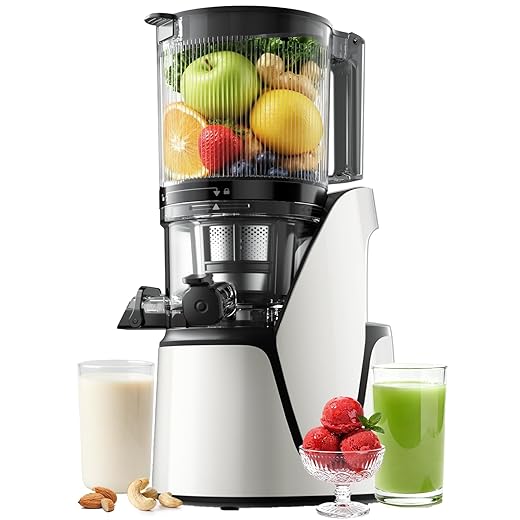
3-in-1 Cold Press Juicer With Large Chute
Extra-large 100oz hopper and 6.5-inch chute
A versatile 3-in-1 machine that makes fresh juice, nut milk, and sorbet with interchangeable strainers. Its 6.5-inch wide chute and 100oz capacity reduce prep time, and parts are dishwasher-safe for easy cleanup.
I may earn a commission at no cost to you.
2
Prep, Peel, and Preserve Nutrients
Peel or skip the peel? The surprising truth about skins, fiber, and nutrient loss.Wash all produce thoroughly under cold running water.
Use a stiff brush on firm-skinned items like carrots and beets to remove dirt and wax.
Decide which peels to keep and which to discard.
Chop ingredients into sizes that match your juicer or blender feed chute.
Work quickly and keep ingredients chilled to reduce oxidation; for example, prep greens last if making morning juice for work.
Avoid heating or prolonged air exposure; do not let blended mixtures sit at room temperature.
Add a splash of cold water when using a blender to help smooth the texture and facilitate processing.
Place prepped produce in airtight containers if storing briefly.
Label containers with time and use within 24 hours for best freshness.
Editor's Choice

Ninja TWISTi High-Speed 1600W Blender Duo
Built-in twist tamper for thick blends
A powerful 1600W blender duo designed for smoothies, spreads, and bowls, featuring a built-in twist tamper to push ingredients toward the blades for smoother, thicker results. Includes multiple cups, SmartTORQUE technology, and dishwasher-safe parts for convenience.
I may earn a commission at no cost to you.
3
Blending and Juicing Techniques
Blend, press, or squeeze? Learn the method that keeps nutrients and tastes amazing.Choose the right equipment for your texture goal.
Try an example: begin with citrus and soft greens, then add carrots and beets to optimize extraction.
Follow practical rules:
4
Flavor Balancing and Serving Smart
Can detox juice taste like dessert? Yes—without adding refined sugar.Balance acidity, sweetness, and heat: add lemon or lime for brightness, apple or pear for natural sweetness, and a small piece of ginger for warmth.
Trial a few go-to recipes:
Serve chilled in small portions (200–300 ml). Serve quickly: sip a 250 ml glass 20 minutes before breakfast for a gentle morning boost. Drink fresh within 24 hours; store in airtight jars with minimal air and refrigerate.
Avoid high-oxalate greens (like large quantities of spinach or Swiss chard) if you have kidney issues. Check drug interactions—grapefruit can affect many medications. Consult a clinician if pregnant, breastfeeding, or taking prescription drugs.
Use juices as a supplement to meals and whole foods, not as your sole food source.
Ready to Press ‘Fresh’?
Experiment with small batches and ingredient ratios; homemade detox juices boost hydration and vegetable intake—use them thoughtfully, listen to your body, enjoy flavors, try making one today and share results.
This post contains affiliate links. Purchases may earn me a commission at no extra cost to you.