How to Make Carrot Juice at Home — 4
Fresh Carrot Juice in Four Simple Steps
Make fresh, vibrant carrot juice at home in four steps: choose carrots, prep and chop, juice or blend with optional flavorings, then strain, store, and serve for freshness.
What You’ll Need
Best Value
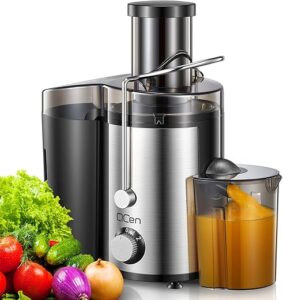
Qcen 800W Centrifugal Juicer with Wide Chute

Fast 800W motor and 3-inch feed chute
High-speed 800W centrifugal juicer with a 3-inch wide mouth to reduce prep time and handle hard or soft produce with two speeds. Safety lock, overload protection, and detachable parts make it easy to clean and use.
I may earn a commission at no cost to you.
1
Choose the Best Carrots
Does carrot color really matter? Yes—here’s why brighter roots make sweeter juice.Pick carrots that are firm, bright, and free of blemishes; they’ll yield the sweetest juice. Baby carrots work, but mature carrots give more flavor and volume.
Rinse carrots to remove dirt before preparation. Store unprocessed carrots in the fridge and use within one to two weeks for best results.
Best for Nutrients

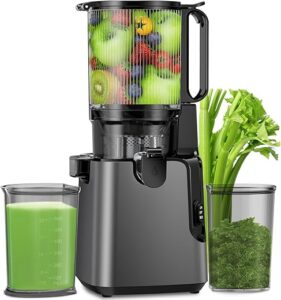
Auto Feed Cold Press Juicer with Wide Chute
Ultra-high 99.6% juice yield preserved nutrients
Slow masticating juicer (55 RPM) with a 5.3″ wide chute and 1.8L hopper for auto feeding whole or large produce, maximizing juice yield and nutrient retention. It rinses clean quickly, includes safety shutoff, BPA-free parts, and a 3-year warranty.
I may earn a commission at no cost to you.
2
Prep and Chop
Why rough chopping boosts yield — and it saves time.Wash carrots thoroughly, scrubbing under running water to remove soil and grit.
Peel only if the skin tastes bitter or appears dirty; keeping the skin preserves extra nutrients and flavor.
Trim tops and tails. Add a splash of water when using a blender to aid blending and achieve a smooth, well‑textured juice.
Must-Have
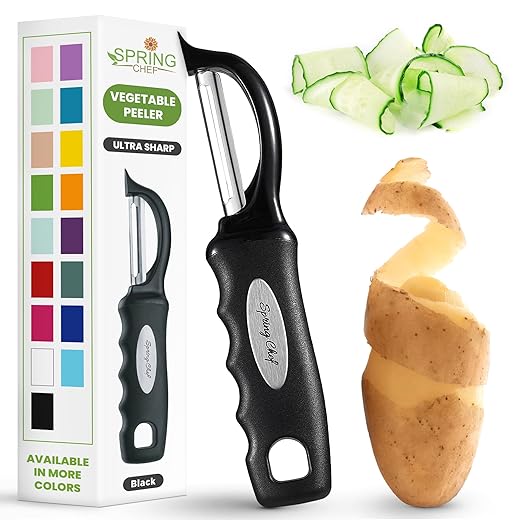
Spring Chef Swivel Vegetable Peeler with Soft Grip
Ultra-sharp blades, ergonomic non-slip handle
Swivel peeler with dual ultra-sharp stainless steel blades and a built-in blemish remover for fast, low-waste peeling. The soft, non-slip handle is comfortable for right- and left-handed use and is dishwasher safe.
I may earn a commission at no cost to you.
3
Juice or Blend
Juicer vs. blender: one wins for speed, the other for fiber — choose wisely.Feed carrot pieces through your juicer and collect the bright, clear juice. Juicers separate pulp and yield smooth juice quickly.
Blend chopped carrots with 1/4 to 1/2 cup water per cup of carrots until smooth, then strain through a fine mesh strainer or cheesecloth for a clearer drink. Imagine blending a quick morning glass for kids—pause to scrape sides if needed.
Editor's Choice
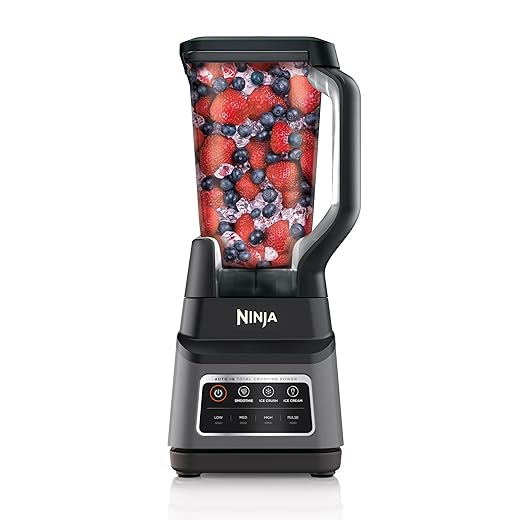
Ninja Professional Plus 1400W Total Crushing Blender
3 Auto-iQ presets for smoothies and drinks
Powerful 1400-peak-watt blender with Total Crushing Blades and a 72 oz pitcher for large batches of smoothies, frozen drinks, and ice cream. Auto-iQ presets simplify blending and the BPA-free parts are dishwasher safe for easy cleanup.
I may earn a commission at no cost to you.
4
Strain, Store, and Serve
Can carrot juice keep? Yes — but only if you treat it right.Strain juice through cheesecloth or a fine sieve. Press solids with a spoon to extract liquid. Taste and adjust sweetness with honey or brightness with lemon (e.g., 1 tsp honey per cup). Chill before serving; pour over ice and garnish with a mint sprig or a citrus twist. Store cooled juice in an airtight glass jar in the refrigerator. Use within 48 hours for best flavor, nutrients, and color.
Best for Fermentation

Two Pack 16oz Swing Top Glass Bottles
Airtight flip-top for brewing and storing
Durable 16oz swing-top glass bottles with airtight flip lids ideal for fermenting and storing kombucha, mead, vinegar, and other beverages. Rounded bodies are dishwasher safe and come well packaged to protect during delivery.
I may earn a commission at no cost to you.
Enjoy Your Homemade Carrot Juice
Now you can make vibrant carrot juice at home; experiment with flavors, use pulp in recipes, and store chilled to preserve nutrients—fresh juice is best within two days, so sip promptly for maximal taste and benefits. Excited now?
This post contains affiliate links. Purchases may earn me a commission at no extra cost to you.